
Every storm season in Maryland we get the same call: "A tree branch came down, my gutters are dented, am I covered?" The short answer is usually yes — but the path to actually getting paid runs through documentation, deadlines, and a few terms most homeowners have never read. Here's the plain-English version.
What's typically covered
- Wind damage — lifted or missing shingles, blown-off gutters, siding panels torn loose. Covered under nearly every standard HO-3 policy in Maryland.
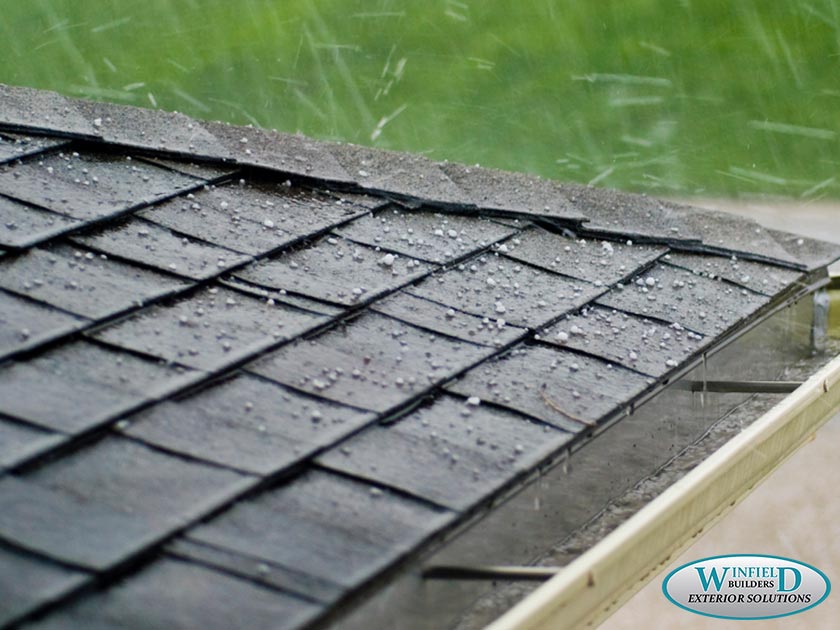
- Hail damage — bruised shingles, dented gutters, broken windows. Covered, though some carriers in MoCo have moved to a separate "wind/hail" deductible (often 1–2% of dwelling value).
- Falling objects — trees, branches, debris. Covered for sudden, accidental damage. A dead tree the insurer warned you about is a different conversation.
- Ice dams & weight of ice/snow — covered on most policies, including resulting interior water damage.
What's usually NOT covered
- Flooding from rising water (separate NFIP flood policy required).
- Wear and tear, age, or "deferred maintenance."
- Cosmetic damage on some carriers (read your declarations page).
- Mold, unless directly caused by a covered water event.
Deductibles to watch for
Standard deductible (flat dollar amount) applies to most claims. Many Maryland insurers now apply a percentage-based wind/hail deductible — 1%, 2%, sometimes 5% of your home's insured value. On a $600,000 home, a 2% deductible is $12,000 out of pocket before the carrier pays a dollar.
The 5-step playbook after a storm
- Document immediately. Photos and video from the ground, dated. Don't climb the roof.
- Mitigate further damage. Tarp leaks, board up broken windows. Save receipts — these are reimbursable.
- Get an independent inspection before you call the insurer. A HAAG-certified inspection report is the single best piece of leverage you can bring.
- File the claim within your carrier's window (typically 1 year in Maryland, but sooner is better).
- Meet the adjuster on-site with your contractor present. This single step changes outcomes more than anything else.
Red flags to avoid
Door-knockers after a storm offering to "handle the whole claim for free" are usually not licensed in Maryland and often disappear before the work is finished. Always verify MHIC license, ask for local references, and never sign an "assignment of benefits" without a lawyer reviewing it.
If a storm hit your home, we'll inspect it for free, give you a written report, and meet your adjuster on-site at no charge — whether you choose us for the work or not.